Looking for a last minute getaway? Give us a call or start a search

Search Last Minute
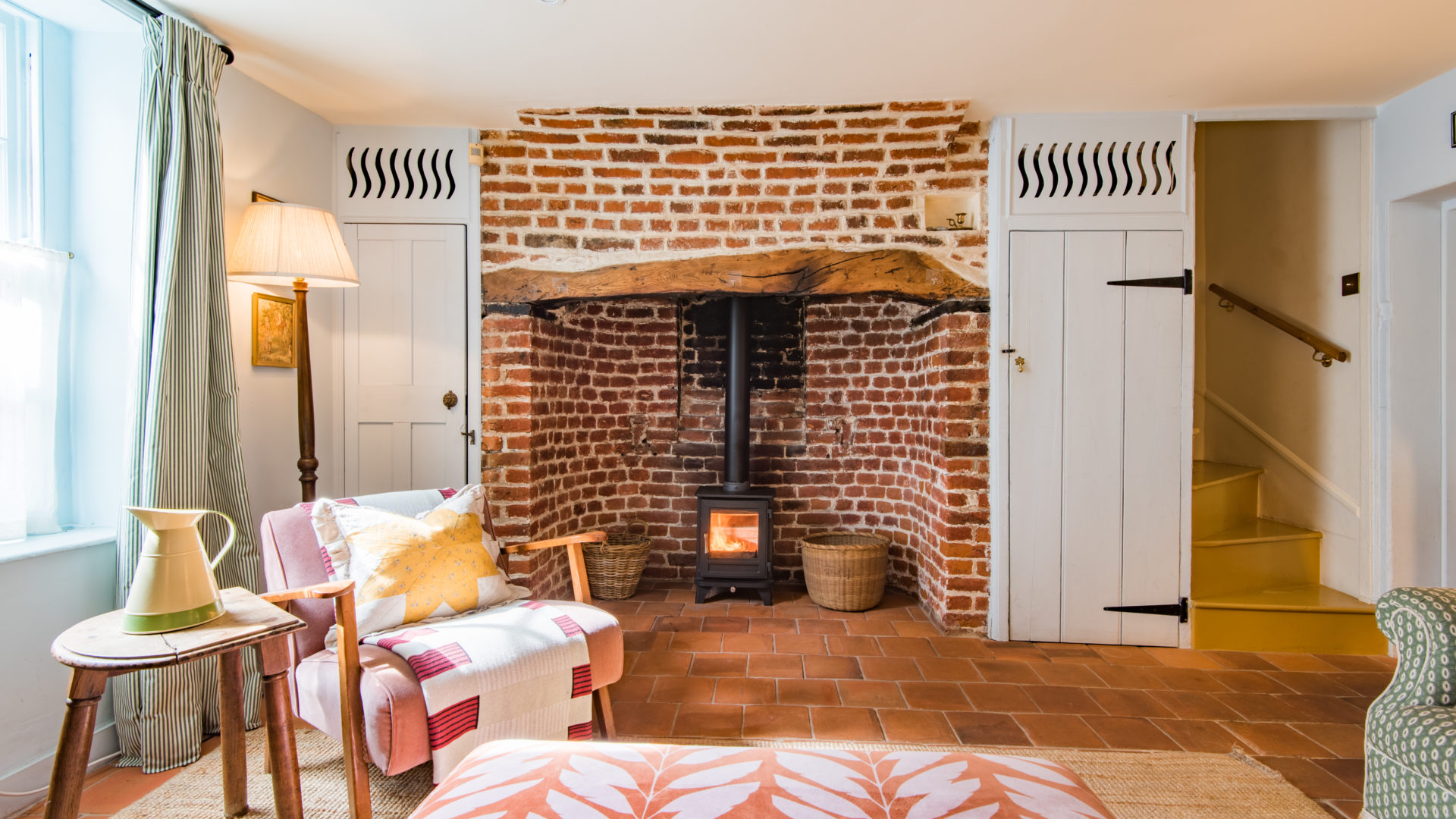
Rogue's Cottage | Deal | Kent

Holiday Let Fire Safety and What Owners Need to Know

30 September 2026
Phoebe Shipton

Holiday let fire safety starts with a suitable fire risk assessment (FRA) of your own property. That assessment identifies the risks and the precautions needed before paying guests arrive.

It is important to start thinking about this early on. Older cottages, converted buildings and homes with unusual layouts may need work that affects your budget or launch date. Taking advice before decorating can also save you having to revisit finished rooms.

Think About Your Home Through a Guest's Eyes

You know your home and its layout well. Someone arriving for a weekend may never have visited the property before, and may be finding their way around after dark.

Walk through the house with that in mind. Is the exit route immediately understandable? Could luggage accumulate in a narrow hallway? Would the bedroom arrangements suit the guests you plan to accommodate? Think about those with limited mobility, or younger guests.

These observations are useful preparation for a fire risk assessment. They also help you explain the property clearly to the fire risk assessor, housekeeper or agency who may be managing the property.

Arrange and Record the Fire Risk Assessment

You must decide who the “responsible person” is and they must carry out a suitable and sufficient fire risk assessment, record it and act on the findings. Keep it under review. Owners who cannot confidently assess their own property, or do not understand the regulations, should use a competent assessor.

Choose someone whose experience fits your accommodation. Send the layout, proposed occupancy and details of planned alterations in advance, and ask for an explanation of the actions recommended.

An assessment should leave you understanding what needs doing, rather than simply holding a document you have not read or do not understand.

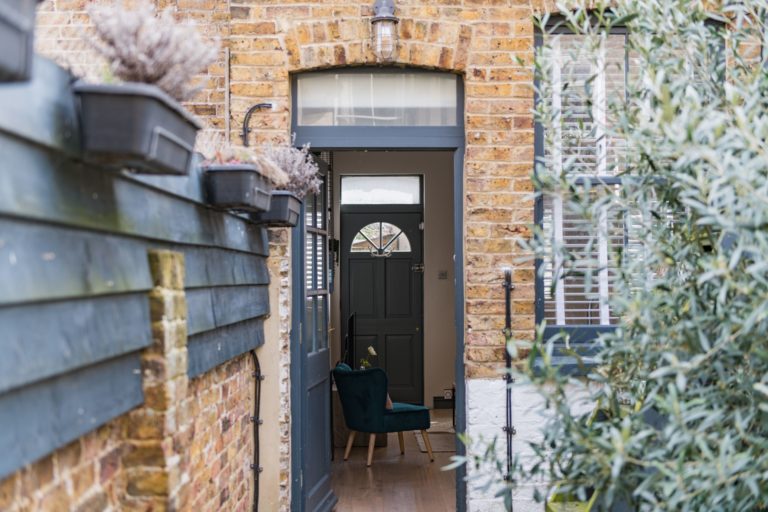
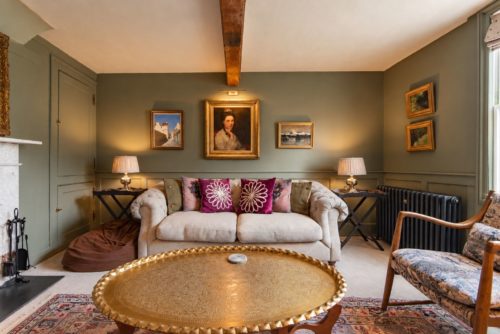
Narayan, Deal, Kent | Cosy Cottages in Kent

Use Guidance Suited to Your Home

The Home Office has dedicated guidance for small paying guest accommodation with simple layouts and limited risks. For houses and cottages, its scope includes a maximum of ten people, ground and first floor only, and no more than four first-floor bedrooms. Larger or more complex accommodation needs the appropriate sleeping accommodation guidance.

Before you begin, confirm which approach fits your property. If you are unsure, get advice from a professional. A low guest capacity alone does not make an unusual conversion straightforward to assess.

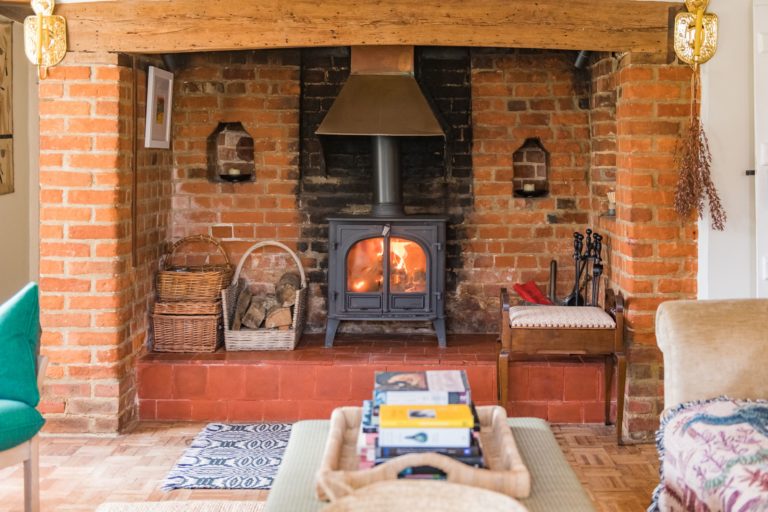
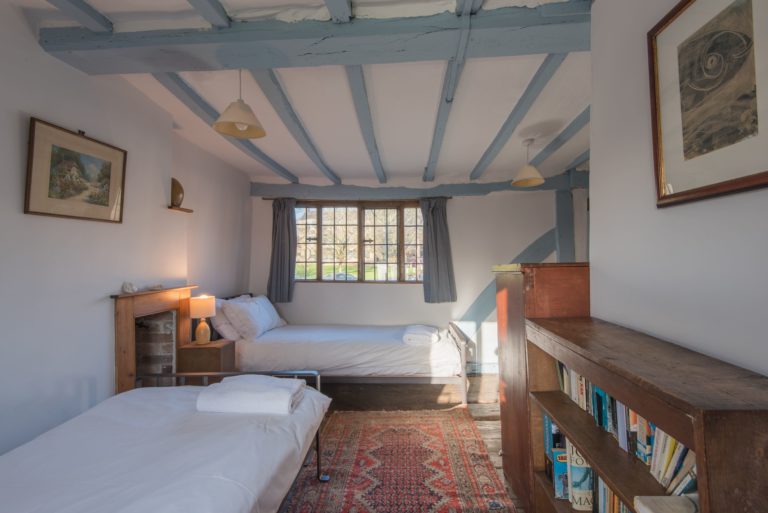
Bell House | Wickhambreaux | Kent

Let the Assessment Guide the Precautions

The assessment determines appropriate alarms, escape arrangements, doors, lighting and other measures. The small-accommodation guidance recommends interlinked smoke and heat alarms, with provision suited to the rooms.

Discuss changes before ordering products. This is especially useful when you are considering an open-plan kitchen, adding a sleeping space or retaining original doors. Advice specific to the home helps you make suitable choices without guessing from a generic shopping list.

You may come across checklists from letting agencies outlining fire safety measures needed for holiday lets in England. These can be a useful starting point, but general advice cannot account for your home’s individual layout, occupancy and risks.

Before buying equipment or arranging alterations, check what your own fire risk assessment recommends. Applying a generic checklist without property-specific advice could lead to unnecessary expense, while overlooking precautions your home actually needs.

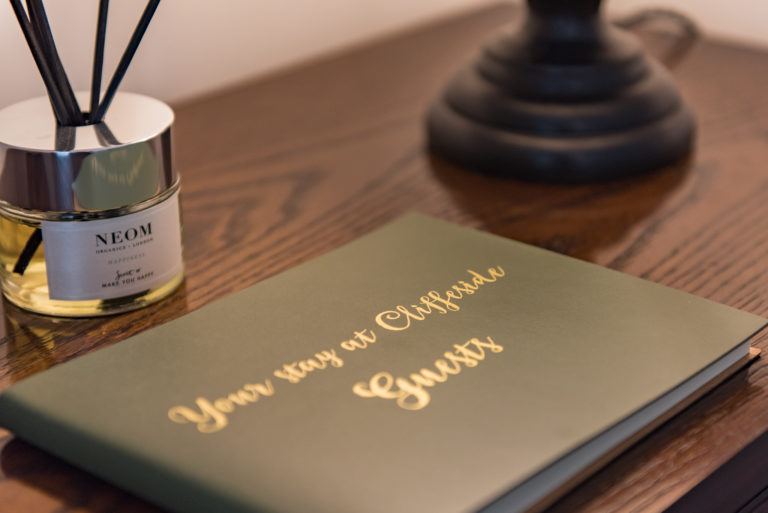
Cliffeside Cottage Review Book

Give Guests Clear Information

It’s important not to overload guests with too much information. Prepare concise emergency instructions with the property address. Make them easy to find, understand and follow. Guests should leave and call the emergency services rather than be expected to fight a fire.

Consider how someone would find the information when they need it. A short, visible notice can be more usable than instructions buried in a long welcome folder. This brings us back to our earlier point about looking at your home through a guest’s eyes.

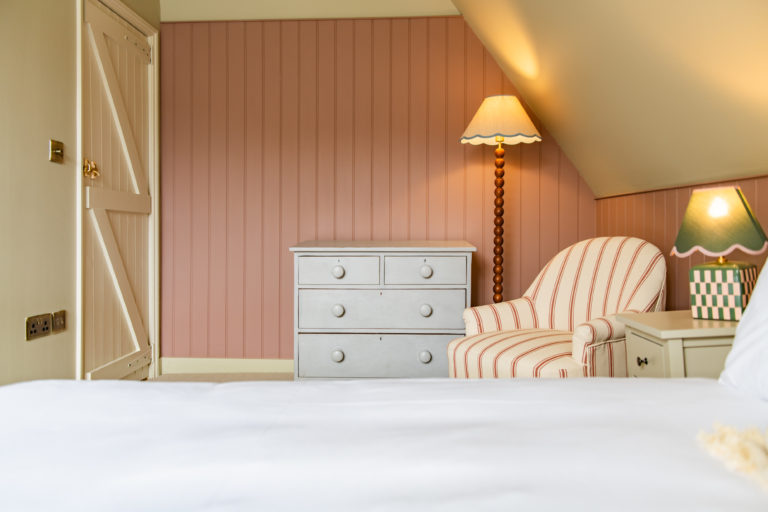
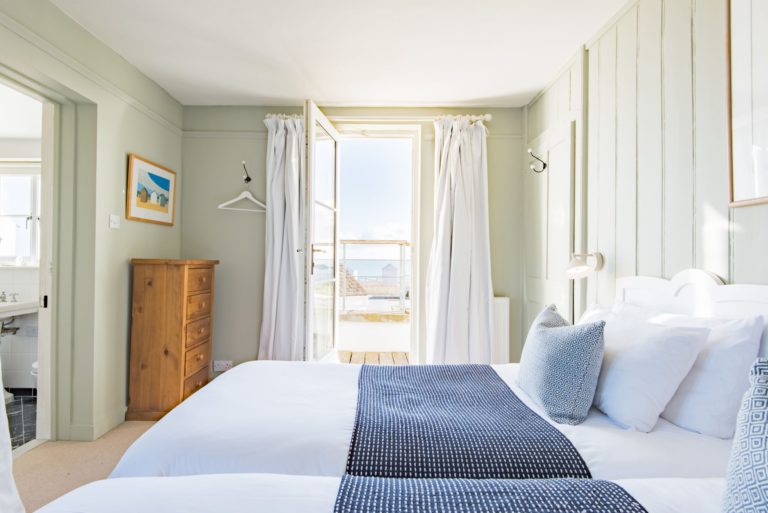
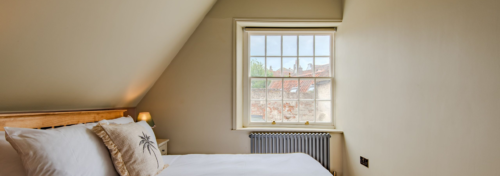
a bedroom shot of a beachfront holiday cottage in Kingsdown, Kent

Agree the Ongoing Safety Checks

The small accommodation guidance includes alarm testing at each changeover and records of testing and maintenance. Agree who carries out checks and how faults are followed up promptly.

Ask your assessor to explain the review arrangements for your property. Revisit the assessment when you change the layout, facilities or intended occupancy, rather than treating the assessment as a one-off check.

Make Safety Part of Your Property Launch Plan

Keep your fire risk assessment, action list and maintenance arrangements together, with a clear record of completed work. This helps everyone involved understand the property and the tasks they are responsible for.

If you are preparing a holiday home in Kent, the Keepers Cottages team can discuss how safety preparation fits into getting the home ready for guests. Property specific fire safety decisions should be guided by a competent professional where needed.

Frequently Asked Questions

Yes. Small paying guest accommodation still needs a suitable fire risk assessment. The precautions and recommendations depend on the property layout and its risks.

No. Follow the assessment for your individual home. It is important not to follow generic advice online.  Property layout, occupancy and other risks will determine what is required.

Not necessarily. The changes needed depend on your home’s layout, condition and existing safety measures. Some properties may need straightforward improvements, such as upgrading alarms or making escape routes safer. Others, particularly homes with more complex layouts, may require more substantial work. A professional fire risk assessment will identify what your property needs, helping you plan any improvements before welcoming guests.

There is no fixed price, though you can expect to pay between £150-£350, depending on the size and complexity of the property and the scope of the assessment. We work closely with proffesional fire risk assessors, who can provide a quote for your holiday home. When budgeting, allow separately for any equipment or recommended improvements following the assessment.

Next Steps for Holiday Let Owners

  • Book in or review your fire risk assessment. Make sure this is carried out by a proffesional FRA company and assign your “responsible person”
  • Keep the assessment, action list and maintenance arrangements together, with a clear record of completed work
  • Agree the ongoing checks and make sure these are recorded at each changeover
  • Record and display guest fire safety information
  • Update and review the fire risk assessment annually, or if any changes are made to the layout, facilities or occupancy
Share this post
About Phoebe Shipton

Having studied Marketing at University of Manchester, Phoebe joined the family business in 2020 as Head of Marketing and Operations. Phoebe is focused on making Keepers Cottages stand out, as well as ensuring the bookings flood in!

Join our Newsletter

Join our newsletter for a monthly round-up of events, news, and happenings in and around Kent!
For more information about how we will use your data please view our privacy policy.