Why we do not use dynamic pricing
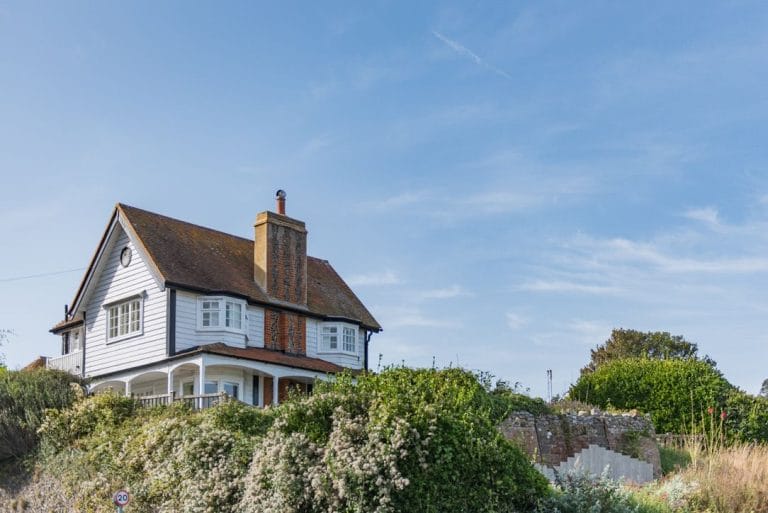
Dynamic pricing software changes prices constantly, sometimes daily, based on demand signals. It has its place: city apartments, one night stays, guests booking a few days ahead. A family holiday home on the Kent coast is a different thing entirely.
Our guests book early and come back. Many book next year before they have left this year, and around two thirds of our bookings come to us direct. A guest who paid £1,250 for a week last year and sees £1,690 this year because an algorithm spotted a spike does not think “market forces”. They think they are being taken for a ride. That trust takes years to build and one bad quote to lose.
Algorithms optimise for the next booking, not the year. Software sees a quiet calendar in February and cuts. We know which weeks in our market book late every year and which will not book at that price at all, so we know when to hold our nerve and when to move.
It does not know the owner. It does not know you are coming down for half term, that you would rather have fewer bookings at a higher rate, or that you are about to replace the kitchen.
None of this means our prices never move. They do, deliberately. Changes are decided by people looking at the data, for a reason, and usually in conversation with the owner. That includes targeted offers on nights that would genuinely sit empty, which is a very different thing from cutting rates across the board on dates that would have sold anyway.



 Amy Hopkins